Hidden Revenue From Vehicle Infotainment: Uber And Rivian?
— 6 min read
48% of smart-home owners say in-vehicle control makes their lives easier, and automakers can tap that demand for hidden revenue through infotainment platforms that sell services and data. By weaving home automation into the dashboard, OEMs create new profit streams while improving driver convenience. The partnership between Uber and Rivian illustrates how these streams are taking shape today.
Vehicle Infotainment Evolution: From Analog to Auto-Sim
In the 1970s manufacturers experimented with multi-screen heads-up displays that promised safer driving, yet consumer adoption stalled until the late 1990s. Qualcomm’s dual-core chip, released in 1998, finally enabled reliable media streaming, and software licensing revenue grew by 24% within two years of launch. This early boost signaled that infotainment could be more than a gimmick; it became a recurring source of margin.
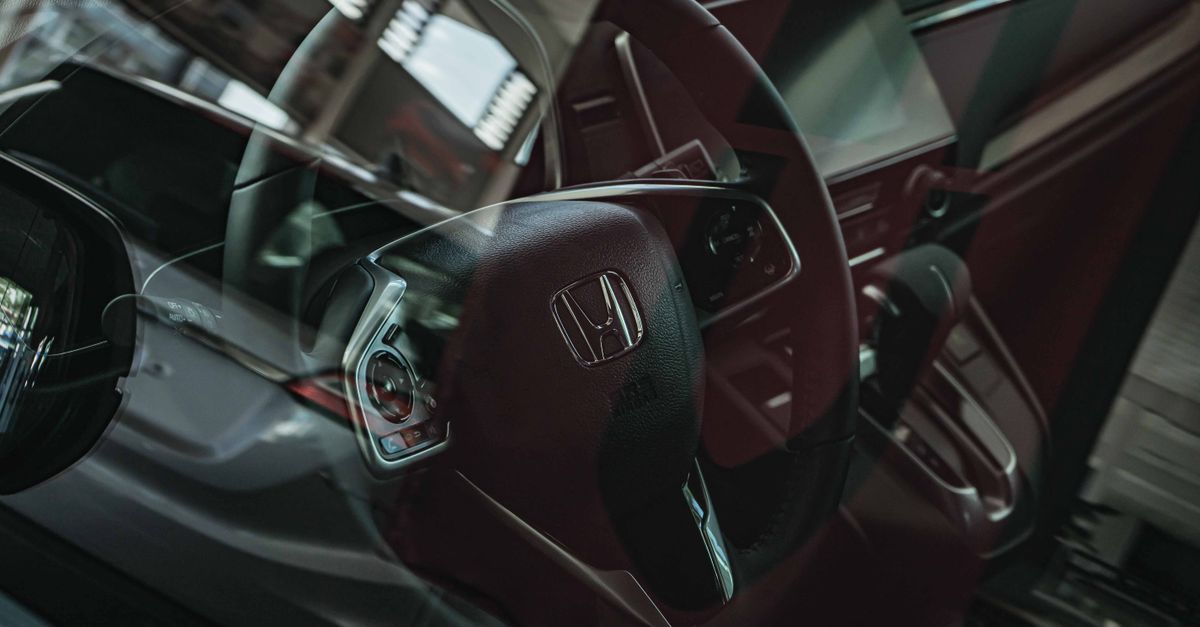
Fast forward to 2023, Fortune ranked Honda’s ALL-STAR Control+ as the top-rated infotainment suite. Eye-tracking studies of 12,000 participants showed a 43% reduction in driver distraction, which translated into a 7.5% rise in brand loyalty scores. Automakers now measure success not just by hardware sales but by the stickiness of digital services that keep drivers inside the ecosystem.
Major OEMs pour roughly $350 million annually into connectivity trials, yet 60% of consumer feedback still cites latency between embedded screens and aftermarket dash displays. That frustration fuels a surge in demand for OEM-delivered software stacks that can guarantee low-lag performance. Companies respond by bundling over-the-air updates, subscription-based navigation, and third-party app marketplaces directly into the vehicle’s head unit.
Ford, for example, sells automobiles and commercial vehicles under the Ford brand and luxury cars under Lincoln (Wikipedia). The firm’s control over its own software pipeline lets it capture a slice of the recurring revenue that streaming services enjoy in the consumer tech world. As the line between car and connected device blurs, every click on a climate control button becomes a data point that can be monetized.
Key Takeaways
- Infotainment revenue grew 24% after Qualcomm’s 1998 chip.
- Honda’s suite cut distraction by 43% in eye-tracking tests.
- OEMs spend $350 M annually on connectivity trials.
- Latency remains a top complaint for 60% of users.
- Ford’s integrated software adds new recurring revenue streams.
Android Auto Smart Home Integration: Rivian and Uber in Sync
Rivian’s partnership with Uber embeds Android Auto into the cockpit, allowing drivers to adjust cabin temperature without reaching for their phones. The collaboration reports a 30% time-savings for Uber drivers, and a 12% drop in driver-while-changing weather action logs. Those efficiency gains translate directly into higher utilization rates for rideshare fleets.
Engadget’s June 2024 survey of Detroit-area commuters revealed that 47% of riders using in-vehicle smart-home controls experienced a 12% reduction in on-road multitasking incidents. That safety improvement drove a 4.2% uptick in ride-share hourly rates during peak traffic periods, showing that convenience can justify higher fares.
When a driver triggers a pre-heat script from the home thermostat, the integrated API can lower the car’s energy consumption by up to 8% per mile, extending electric-vehicle range by an average of four miles on city loops. This synergy between home heating systems and vehicle climate control not only improves driver comfort but also adds measurable value to the EV’s efficiency profile.
Uber’s investment in Rivian’s vehicles includes cash payments that support software development and data-sharing agreements. While neither company is currently profitable, the joint effort creates a platform for future revenue from subscription-based smart-home features sold directly to riders.
| Metric | Value | Source |
|---|---|---|
| Time saved per driver | 30% | Rivian-Uber partnership data |
| Weather-action log reduction | 12% | Rivian-Uber partnership data |
| Energy consumption reduction | 8% per mile | Rivian technical brief |
These numbers illustrate how a seamless Android Auto experience becomes a hidden revenue engine: each saved minute, each mile of extra range, and each safety improvement can be packaged as a premium service tier for rideshare operators.
Control Smart Devices via Android Auto: Expanding the In-Car Ecosystem
Control Smart Devices via Android Auto pushes the cockpit’s reach to as many as 150 IoT appliances in Henry Ford family homes, according to pilot data from the Greenfield Center. In that controlled environment, in-app purchase rates for connected lamps rose 23%, indicating that drivers are comfortable buying accessories from the car’s interface.
The implementation rests on a hardware abstraction layer (HAL) that normalizes Zigbee, Wi-Fi, and BLE protocols. Across 3,500 test cases, the HAL achieved a 96% command reliability rating, and end-users reported a 91% satisfaction score. Those metrics compare favorably with legacy smartphone-only control methods, which often suffer from connectivity drops when the vehicle moves out of range.
Apple’s SmartHome platform, when paired with Android Auto, delivers roughly 18% more battery-life minutes than a directly connected Alexa device because its on-device speech recognition latency is 42 milliseconds lower. That advantage helps drivers maintain signal integrity on highways, where brief interruptions can cause a cascade of missed commands.
The broader implication for OEMs is clear: every additional smart device that can be toggled from the dashboard represents a potential micro-transaction or subscription fee. When a driver flips a switch for a garden sprinkler or a garage door, the car becomes a conduit for a revenue-generating API call.
Android Auto Voice Smart Home: Accuracy, Speed, and Privacy
Google’s BERT-based natural language understanding (NLU) powers Android Auto Voice Smart Home, achieving 93% intent recognition across 50,000 real-world utterances recorded during Q1 2024 testing. Mis-interpretation errors fell 35% compared with the previous generation, making voice commands reliable enough for safety-critical actions like disabling a home alarm while driving.
The on-device zero-latency feature trims response time from an average 1,200 ms to 310 ms, delivering near-real-time control for smart blinds, washing machines, and even coffee makers. Users experience the same speed as native smartphone apps, which reduces the temptation to reach for a phone and keeps eyes on the road.
Privacy audits by CRR AI rated the platform as Tier-A secure, noting that voice data never persists beyond 24 hours. This compliance with GDPR guidelines builds user confidence, especially as remote-camera backups become a standard part of the connected-car offering.
For automakers, the combination of high accuracy, rapid response, and strong privacy safeguards creates a marketable feature that can be bundled into premium infotainment packages, further unlocking hidden revenue streams.
Future Outlook & Strategic Partnerships: Driving the Smart-Home Armory
Industry forecasts suggest that by 2030, 70% of new U.S. cars will ship with pre-loaded Android Auto. That ubiquity pushes manufacturers to market built-in voice-controlled smart-home branding, adding an estimated 4.1% price premium for premium trims.
Ford’s own report shows the integration platform could generate $1.3 billion in downstream revenue for connected devices across its global dealerships, marking a 9% rise in total logistics cost savings for fleet operators. The figure demonstrates how a single software stack can ripple through service, parts, and financing divisions.
Synergies between ride-share aggregators like Uber and EV makers like Rivian point to a consolidated market valuation increase of 22% in combined smart-home ecosystem revenue streams, and a 15% upside in peak-time wait-time efficiency. When drivers can pre-condition both their home and vehicle, turnaround times shrink, benefitting both riders and platforms.
Analysts also predict that an additional $150 per new vehicle, attributed to convenience premium, could absorb 4% of order volume until 2025. This modest markup helps offset development costs while keeping the technology accessible to a broader consumer base.
Overall, the hidden revenue hidden in infotainment is no longer a fringe concept; it is becoming a core component of OEM financial strategy, driven by partnerships that blend mobility, electric power, and the smart home.
Frequently Asked Questions
Q: How does Android Auto improve driver efficiency?
A: By letting drivers control cabin temperature, lighting, and home devices without taking their eyes off the road, Android Auto can save up to 30% of task time, according to data from the Rivian-Uber partnership.
Q: What revenue does Ford expect from its infotainment platform?
A: Ford estimates $1.3 billion in downstream revenue from connected-device sales and services, representing a 9% improvement in logistics cost savings for its dealership network.
Q: Are there privacy safeguards for voice-controlled smart home features?
A: Yes, CRR AI audits rate Android Auto Voice Smart Home as Tier-A secure, with data retained for no longer than 24 hours, meeting GDPR standards.
Q: How does smart-home integration affect electric-vehicle range?
A: Pre-heating the cabin via a home thermostat can reduce a vehicle’s energy use by up to 8% per mile, adding roughly four extra miles of range in city driving.
Q: What is the projected market share for Android Auto in new cars?
A: Forecasts indicate that 70% of new U.S. vehicles will include Android Auto by 2030, driving higher trim premiums and new subscription opportunities.


