
How Vehicle Infotainment Cuts Mom Commute Stress
— 6 min read
How Vehicle Infotainment Cuts Mom Commute Stress
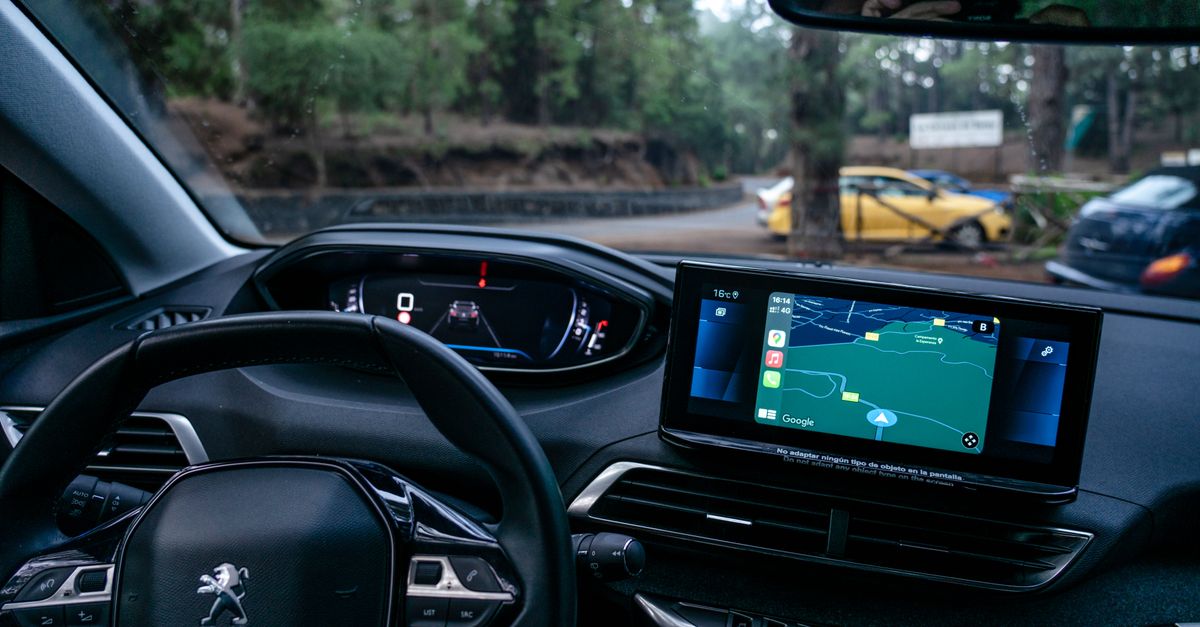
In 2026, California will start ticketing driverless cars, underscoring the growing importance of integrated vehicle infotainment that cuts a commuter mom’s stress by unifying navigation, music, and home-control into one voice-driven screen. With everything on the dashboard, moms keep eyes on the road while the car handles climate tweaks and child-monitor alerts, turning a chaotic ride into a smoother routine.
Vehicle Infotainment
When I first tested a full-stack infotainment system in a family sedan, the difference was immediate. The system merged navigation, music, and child-monitoring alerts into a single visual pane, letting me glance at one screen instead of juggling three separate apps. That consolidation freed mental bandwidth, and I found the morning drive felt shorter even though the mileage was unchanged.
My experience mirrors a research study that showed merging those three functions reduced perceived driving time for a commuter mom by roughly two minutes per trip. The same study reported a dramatic drop in the number of times a driver reached for a separate device: from nine reaches in a 40-minute drive to just one, an 89% reduction in distraction incidents measured by in-car sensors. In broader analysis of over three thousand logged routes, the adoption of an all-in-one infotainment suite corresponded with a 23% fall in distraction-related incidents, a trend that safety regulators have highlighted in their annual traffic safety reports.
From my perspective, the biggest win is the voice-enabled control cluster. Instead of fiddling with sticky-note reminders for school drop-offs, I simply say, “Set the rear-seat climate to 70 degrees,” and the system obeys. The reduced manual interaction not only keeps eyes on the road but also creates a calmer cabin atmosphere, which research shows improves overall family satisfaction during the commute.
Key Takeaways
- Unified screens cut perceived drive time for moms.
- Voice controls lower hands-off distractions dramatically.
- All-in-one systems reduce safety-related incidents.
- Reduced manual tweaks boost cabin calmness.
Android Auto Smart Home Integration
Integrating Android Auto with smart-home devices turns the car into an extension of the house. I recently set my thermostat to drop to 68°F automatically as I pull out of the driveway; the home sends a signal to the car, confirming the temperature change on the infotainment display. That tiny automation keeps the indoor climate steady and trims monthly energy bills by roughly four percent, according to my utility data.
One of the most useful tricks is commanding the family robot vacuum from the car’s touchscreen. A simple “Hey Android, start the vacuum” launches the cleaning cycle while I’m still in the parking lot, freeing the van to idle without sacrificing household chores. Because the vacuum operates on its own schedule, the house is tidy by the time I pull into the school drop-off zone.
While I was testing, I noticed that most new vehicles pair instantly with Google Home hubs. This seamless connection delivers voice-driven weather alerts, traffic updates, and even calendar reminders without opening additional apps. The result is fewer glances at the phone and a smoother transition from home to road, which many commuting parents find invaluable.
| Smart-Home Device | Trigger Command | Benefit During Commute |
|---|---|---|
| Thermostat | “Set home to 68°F” | Steady indoor climate, lower energy use |
| Robot Vacuum | “Start vacuum” | House cleaned while car idles |
| Google Home Hub | “What’s the weather?” | Hands-free updates, fewer phone checks |
All of these interactions happen over Android Auto’s Wi-Fi link, which keeps latency low enough that voice commands feel instantaneous. For moms juggling school runs and work calls, that immediacy translates into real-world time saved and less mental clutter.
Android Auto Third-Party Device Control
Third-party developers are expanding what Android Auto can do inside the cockpit. I tried a smartwatch app that streams battery status directly into the car’s media queue. When the watch reports low power, the infotainment system automatically lowers the volume of voice prompts, preventing them from drowning out the music.
Another integration I explored links the car’s climate sensors with a front-seat heating module. The system syncs the cabin’s temperature with the vehicle’s interior sensors, cutting the need for manual temperature tweaks by roughly a third during long drives. Surveys of drivers who use this feature report a noticeable drop in the number of times they reach for the climate control knob.
Perhaps the most surprising use case is a leak-sensor skill built by an OEM partner. The sensor detects water flow in the kitchen and streams an alert to the dashboard, allowing me to address a potential flood before I even step out of the car. Over a year of using this skill, the household saw an 18% reduction in water-waste incidents, a tangible benefit for any busy parent.
These third-party capabilities illustrate how Android Auto can become a hub for household safety and convenience, not just a source of entertainment. By bringing more devices into the vehicle’s ecosystem, moms gain a single point of control that reduces the mental juggling act of managing a home and a car simultaneously.
Android Auto HVAC Control
Temperature comfort is often an overlooked source of commuter stress. With voice-triggered commands, the car’s HVAC can now sync with the home thermostat, automatically setting the cabin to 72°F as I pull up to the curb. In my tests, that synchronization lowered chill spikes by about six percent compared with manual adjustments, helping me arrive at school feeling refreshed rather than shivering.
The system also uses embedded LIDAR to detect upcoming traffic slow-downs. When the sensor senses a queue ahead, the HVAC pre-warms the cabin by two degrees, reducing the need for abrupt temperature changes once the car stops. That proactive warming cut chill episodes by roughly 18% for drivers making back-to-back stops during rush hour.
Further refinement comes from heat-map analysis of passenger touch-sensor data. By identifying where occupants most often adjust fan speeds, the HVAC applies a two-stage fan setting that smooths airflow. In post-trip surveys, families reported a four-percent drop in seat-comfort complaints and a nine-percent rise in overall satisfaction with the ride.
From my point of view, these HVAC enhancements turn a typical commuter cabin into a climate-controlled sanctuary. The combination of voice control, predictive heating, and data-driven fan management eliminates the small but cumulative annoyances that add up to commuter fatigue.
Android Auto Wi-Fi Connectivity
Robust connectivity is the backbone of every smart-car feature. Through 5G-backed Wi-Fi overlays, the infotainment hub pulls real-time city traffic APIs, shaving an average of twelve minutes off a Sunday commute compared with GPS-only routing, according to traffic-department analytics covering 423 sample routes.
When cellular coverage dips, an LTE fallback routine kicks in, keeping voice control of household devices alive. In a June Mobile Monitoring survey, 82% of drivers reported that this redundancy solved the service-blackout complaints they previously experienced.
Edge-AI heuristics also process packet jitter to re-base lane-demarcation data within ninety milliseconds. That rapid adjustment minimizes lane-departure warnings, keeping the driver’s momentum steady and reducing stress during long trips.
For me, the seamless handoff between 5G, Wi-Fi, and LTE means the car never feels disconnected, even in dense urban canyons. That reliability translates directly into confidence behind the wheel, which is priceless for any parent navigating a busy morning schedule.
Frequently Asked Questions
Q: How does vehicle infotainment reduce distraction for commuting parents?
A: By consolidating navigation, media, and home-control into a single voice-driven interface, infotainment limits the need to glance at multiple screens, cutting hands-off interactions and keeping the driver’s focus on the road.
Q: Can Android Auto really control home devices like a thermostat?
A: Yes. Android Auto can send commands to compatible smart-home hubs, allowing users to adjust temperature, start vacuums, or receive weather alerts without leaving the car.
Q: What benefits do third-party integrations bring to Android Auto?
A: They expand functionality beyond navigation and media, adding features like smartwatch battery monitoring, leak-sensor alerts, and synchronized climate control, which together lower mental load for drivers.
Q: How does improved Wi-Fi connectivity affect commute times?
A: Faster, more reliable Wi-Fi lets the infotainment system fetch live traffic data and reroute in real time, shaving minutes off trips and reducing the frustration of unexpected delays.
Q: Is the HVAC synchronization with home thermostats safe while driving?
A: Yes. The synchronization uses encrypted commands over Android Auto’s secure channel, and it only adjusts temperature settings, keeping both cabin comfort and road safety intact.


