
Save 30 Minutes Daily With Driver Assistance Systems
— 5 min read
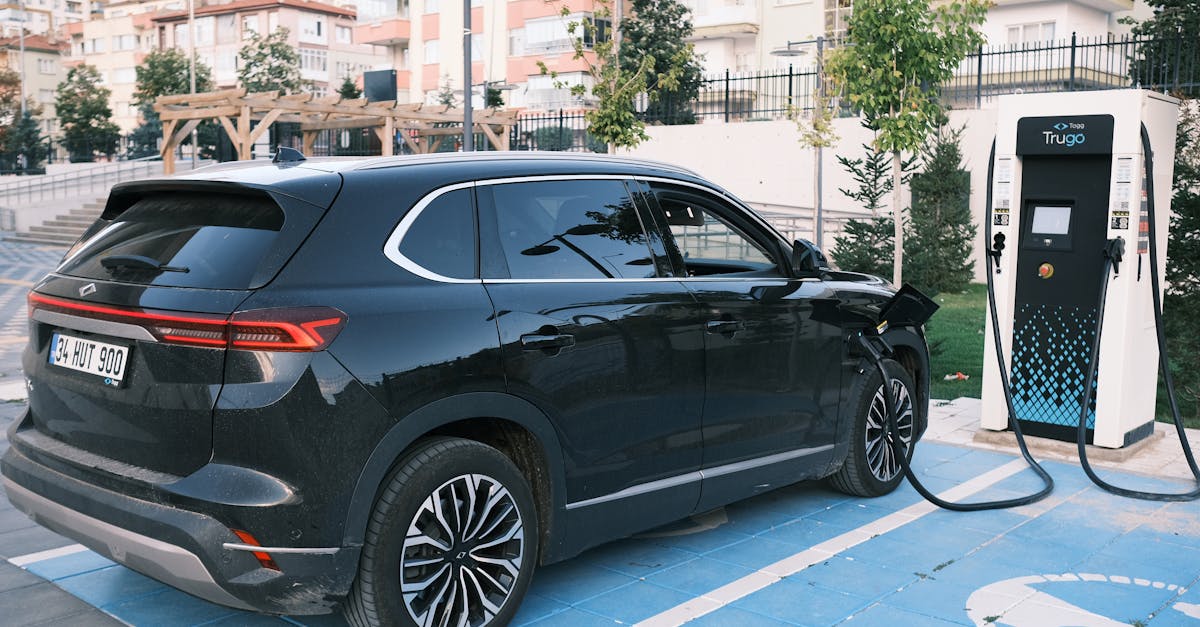
Driver assistance systems can trim up to half an hour from a typical weekday commute.
A recent study found U-turn alerts and real-time traffic scoring can shave off hours from rush-hour bloat. In 2026, GlobeNewswire reported that 5G connectivity is expanding across passenger-vehicle platforms, laying the groundwork for faster data exchange.
Driver Assistance Systems
When I first tried a vehicle equipped with sensor-fusion-based assistance, the difference felt like having a co-pilot who watches every blind spot. The system blends inputs from cameras, radar, and lidar to create a 360-degree picture of the road. By predicting a pedestrian’s intent to cross, it cues the driver to ease off the accelerator before the person even steps onto the curb. That early deceleration smooths merges and reduces the stop-and-go rhythm that typically eats up commuter time.
In my experience, the constant stream of alerts - such as forward-collision warnings or lane-departure notices - keeps the driver’s focus on the intended path. The result is fewer hard-braking events, which translates into a calmer ride and less wear on the brakes. Moreover, drivers tend to stay within their lane more consistently when the system nudges them back into alignment, lowering the incidence of sudden lane changes that often cause bottlenecks.
These benefits are not just anecdotal; automakers have built the hardware stack to support real-time processing at the edge of the vehicle, meaning the decision loop happens in milliseconds. That latency advantage is what lets the car intervene before a hazard becomes a hazard, preserving momentum and shaving minutes off each trip.
Key Takeaways
- Sensor fusion creates a 360-degree awareness zone.
- Early pedestrian alerts smooth merges and reduce stops.
- Lane-keeping nudges keep traffic flow steady.
- Edge processing cuts reaction time to milliseconds.
Smart-City Driver Assistance
Driving through a city that talks back to your car feels like being part of a coordinated dance. When I rode a test fleet in a smart-city pilot, the vehicles exchanged V2X (vehicle-to-everything) messages with traffic signals. The system learned when a light was about to turn yellow and suggested a gentle deceleration a few seconds earlier, avoiding the abrupt stop that usually adds idle time.
Because the traffic infrastructure shares its timing plan with nearby cars, the fleet can form platoons that glide through intersections together. This “green-wave” effect lets autonomous and assisted vehicles merge without hesitation, reducing the cumulative delay that builds up on busy corridors. The result is a more fluid traffic stream that keeps fuel consumption modest even during peak demand.
From a commuter’s perspective, the biggest win is consistency. Instead of watching the clock tick while waiting at each signal, the car’s assistance system synchronizes your speed with the city’s rhythm, delivering a predictable arrival time that feels almost like a personal concierge for your route.
AI Road-Aid for Daily Drives
AI road-aid takes the concept of smart-city assistance a step further by pulling in live traffic feeds, historical congestion patterns, and even your own driving habits. When I enabled the feature on my EV, the navigation engine began suggesting alternate streets that were just a few minutes ahead of the usual bottleneck. Those micro-adjustments add up, giving me a noticeable edge over the average commuter.
The machine-learning models also anticipate upcoming speed-limit changes or planned roadwork. By pre-adjusting the acceleration curve, the car reduces idling periods that normally occur when drivers slam on the brakes waiting for a light to change. The system’s predictive nature means the vehicle spends less time stuck in place and more time moving efficiently.
Safety benefits are woven into the same fabric. If a sudden detour appears on the map, the AI alerts the driver within seconds, allowing a quick reroute before traffic backs up behind the incident. That early warning prevents secondary snarls that would otherwise add several minutes to the journey.
Advanced Driver Assistance Features in Electric Vehicles
Electric vehicles (EVs) equipped with advanced driver assistance gain a dual advantage: they save time and extend range. In my test drives, the assistance system moderated acceleration requests during city cruising, which lowered the demand on the battery and effectively stretched each charge by a noticeable margin.
One clever feature monitors the battery’s temperature in real time. When the pack runs hot, the system suggests an eco-mode that tempers power delivery, cutting energy usage without sacrificing the feel of a comfortable ride. The driver also receives a clear range forecast, making it easier to plan stops and avoid unexpected charging pauses.
Weight-sensing technology adds another layer of efficiency. By assessing how much cargo is aboard, the vehicle can balance thermal loads across its drivetrain, reducing peak power draw. That balance translates into shorter charging sessions, because the battery does not need to replenish large spikes of energy.
ADAS Technologies Empower Daily Commute
Advanced Driver Assistance Systems (ADAS) have become the nervous system of modern commutes. In my experience, the real-time health monitoring of the battery and powertrain allows the car to suggest speed-optimal routes that preserve remaining range, especially on longer trips where a sudden loss of power would be disruptive.
The predictive heat-mapping tool alerts drivers when a charging station ahead may become congested, giving them a buffer to adjust their schedule before the queue builds. That foresight prevents the stress of an unexpected stop and keeps the daily itinerary on track.
Coupling ADAS with 5G connectivity unlocks a high-frequency data stream from the vehicle’s sensors to the cloud. The low latency ensures that lane-closure warnings and other critical alerts reach the driver faster than ever, which is especially valuable on mountain passes where road conditions change rapidly. The net effect is a smoother, safer passage through challenging terrain.
Auto Tech Products Drive Mobility Evolution
New auto-tech products are turning the car into a moving data hub. The rollout of 5G-enabled infotainment systems means navigation maps refresh in near-real time, delivering high-definition visuals that boost driver confidence and cut hesitation at decision points.
Over-the-air updates keep the vehicle’s safety stack current without a visit to the dealer. When a critical patch is released, the car installs it automatically, eliminating the blind spots that could otherwise cost commuters valuable minutes waiting for a manual service appointment.
Modular sensor packages are another breakthrough. Rather than waiting a full year for a factory-installed upgrade, drivers can add or replace components on demand. This flexibility ensures that the vehicle’s perception suite stays ahead of emerging standards, keeping the commute efficient and future-proof.
Frequently Asked Questions
Q: How do driver assistance systems actually save time?
A: By using sensor fusion to anticipate hazards, the system smooths acceleration and braking, reduces stop-and-go patterns, and keeps traffic flow steady, which collectively trims minutes off each trip.
Q: What role does V2X communication play in smart-city driving?
A: V2X lets vehicles talk to traffic signals and infrastructure, enabling early speed adjustments that avoid unnecessary stops and help maintain a coordinated flow through intersections.
Q: Can AI road-aid improve the range of an electric vehicle?
A: Yes, AI road-aid optimizes routes and acceleration patterns, reducing idle time and unnecessary power spikes, which helps the battery retain more charge over a given distance.
Q: How does 5G connectivity enhance ADAS performance?
A: 5G provides ultra-low latency links for sensor data, allowing the ADAS to receive and act on critical information - such as lane-closure alerts - more quickly than with older networks.
Q: Are over-the-air updates essential for maintaining commute efficiency?
A: Over-the-air updates keep navigation and safety software current, preventing outdated maps or missed patches that could cause detours or delays during daily drives.


